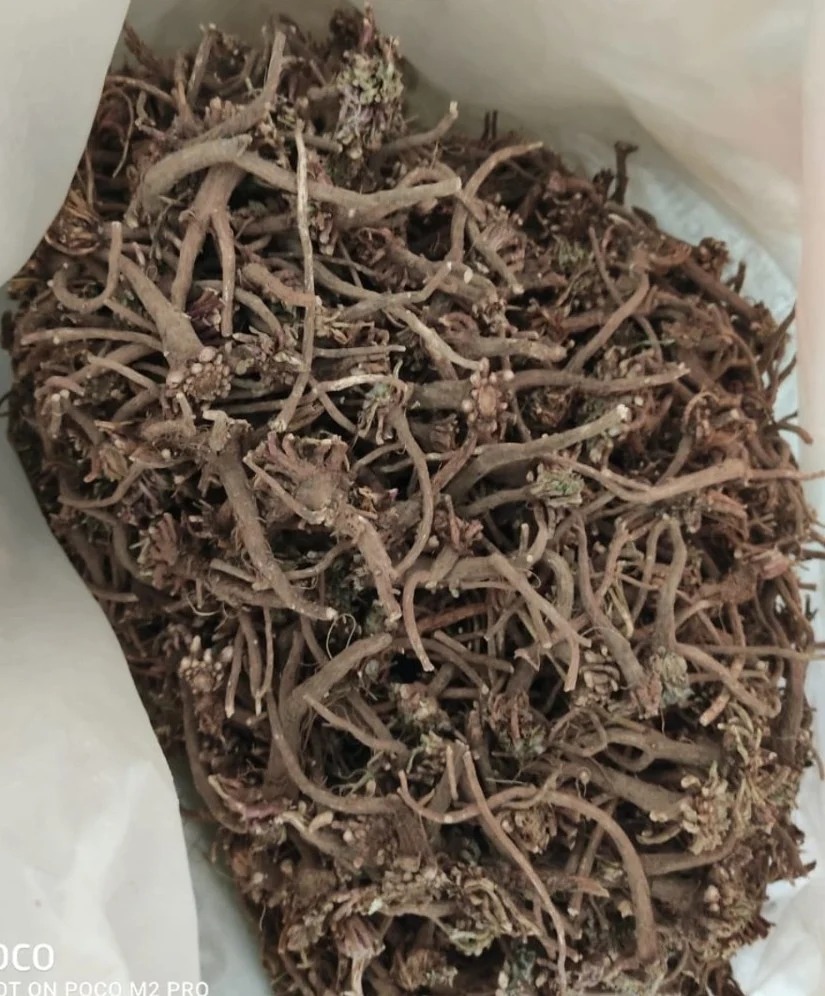
Description
Common Names:
- Akalkara
- Ashwagandha
- Indian Ginseng
- Winter Cherry
Botanical Classification:
- Family: Solanaceae
- Genus: Withania
- Species: W. somnifera
Description: Akalkara, commonly known as Ashwagandha, is a perennial shrub native to India and parts of Africa. It is recognized for its small, greenish-yellow flowers and red berries. The plant’s root is the primary part used in traditional medicine.
Forms:
- Dried Root: Used in traditional medicine and herbal preparations.
- Ashwagandha Powder: Ground form of the dried root, used in supplements and formulations.
- Ashwagandha Extract: Concentrated form used in health supplements and tinctures.
- Ashwagandha Capsules/Tablets: Encapsulated powdered form for convenient consumption.
Nutritional and Phytochemical Benefits:
- Contains Withanolides: Includes compounds with adaptogenic and anti-inflammatory properties.
- Rich in Alkaloids: Provides alkaloids that contribute to its therapeutic effects.
- Provides Essential Nutrients: Contains various vitamins and minerals that support overall health.
Health Benefits:
- Adaptogenic Properties: Helps the body adapt to stress and enhances resilience to physical and mental stress.
- Supports Immune Health: May improve immune function and increase resistance to infections.
- Enhances Cognitive Function: Known to support memory, focus, and overall cognitive health.
- Reduces Anxiety and Stress: Helps reduce symptoms of anxiety and promotes relaxation.
- Anti-inflammatory Effects: Contains compounds that help reduce inflammation and support joint health.
- Supports Overall Vitality: Often used as a general tonic to boost energy and overall well-being.
Traditional Uses:
- In Ayurveda: Ashwagandha is used to balance the body’s doshas, improve vitality, and support overall health. It is considered a powerful adaptogen and rejuvenating tonic.
- In Traditional Medicine: Utilized for its stress-relieving and health-promoting properties, particularly for its effects on mental health and immune support.