Description
Common Names:
- Kachari
- Cucumis Callosus (Botanical name)
- Wild Melon
- Kachri (In Hindi)
Forms:
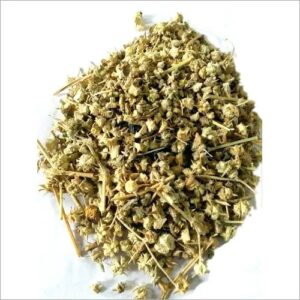
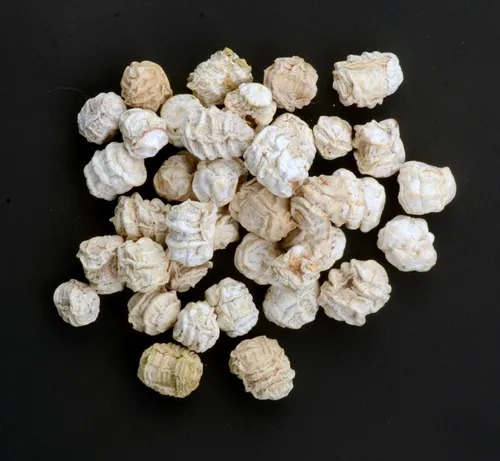
- Dried Slices: The fruit is often sliced and dried for culinary use.
- Powdered: The dried fruit or slices are ground into a fine powder.
- Fresh Fruit: Occasionally used fresh in traditional recipes.
Origin:
- Native Region: Native to arid regions of India, particularly Rajasthan.
- Cultivation: Primarily grown in the arid and semi-arid regions of India, especially in Rajasthan and parts of Gujarat.
Nutritional and Chemical Composition:
- Active Compounds: Contains natural enzymes, saponins, and flavonoids.
- Nutrients: Rich in vitamins, particularly vitamin C, and minerals such as potassium and magnesium.
Health Benefits:
- Digestive Aid: Known for its digestive properties, Kachari helps improve digestion and can alleviate digestive issues like indigestion and bloating.
- Meat Tenderizer: The natural enzymes present in Kachari make it an effective meat tenderizer, often used in traditional cooking to soften meat.
- Antioxidant Properties: Rich in antioxidants, it helps protect the body against free radicals and oxidative stress.
- Anti-inflammatory Properties: Contains compounds that can reduce inflammation, supporting overall health and well-being.
- Nutrient Boost: Adds a nutritional boost to dishes due to its rich content of vitamins and minerals.
Uses:
- Culinary: Widely used in Rajasthani cuisine as a spice and meat tenderizer. It imparts a tangy flavor to dishes and is often added to curries, marinades, and spice blends.
- Traditional Medicine: Used in folk medicine for its digestive and anti-inflammatory properties.
- Nutritional Supplement: Sometimes consumed in powdered form for its health benefits, particularly to aid digestion and enhance nutrient intake.